Regain Your Smile With Custom Bridges
Best Implant & Advanced DEntistry in Corpus Christi, TX
A healthy complete smile plays a vital role in both oral health and overall confidence. Teeth allow us to chew food efficiently speak clearly and maintain proper facial structure. When even one tooth is missing the balance of the mouth can change in ways that are not always immediately noticeable. At Coastal Implant & Advanced Dentistry patients receive advanced restorative care designed to restore strength comfort and beauty to their smiles. One of the most trusted and time tested solutions offered is the dental bridge.
As one of the practices patients often seek when searching for cosmetic dentists Corpus Christi, Coastal Implant & Advanced Dentistry believes that understanding your treatment options is essential. This guide explains what dental bridges are how they work and why replacing missing teeth is so important for long term oral health.
What Is a Dental Bridge
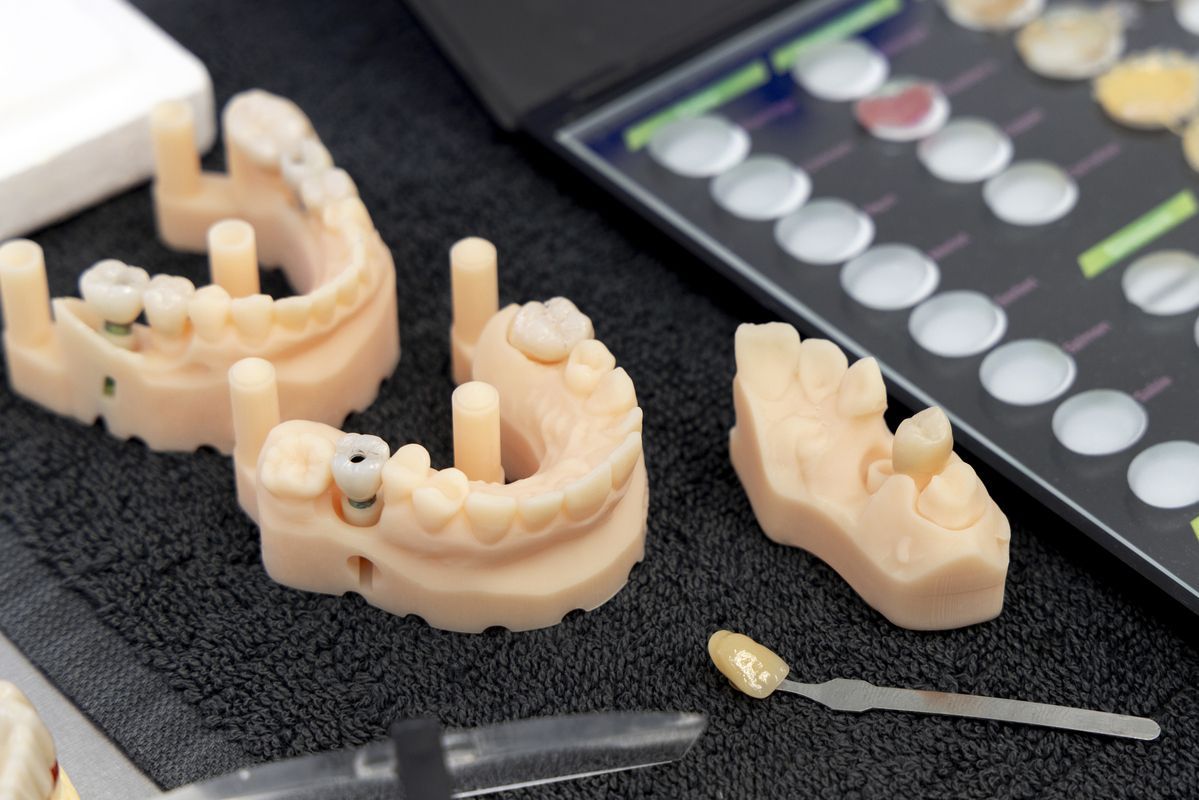
A dental bridge is a custom made restoration used to replace one or more missing teeth. It bridges the gap left behind by anchoring an artificial tooth between natural teeth on either side of the space. The artificial tooth is known as a pontic and it is supported by crowns placed over the neighboring teeth.
Once placed the bridge restores chewing ability supports clear speech and blends seamlessly with surrounding teeth. Modern dental bridges are crafted from strong durable materials designed to closely resemble natural enamel in color and shape. At Coastal Implant & Advanced Dentistry each bridge is carefully designed to match the patient’s smile and bite for a natural comfortable result.
Why Missing Teeth Should Be Replaced
Many people assume that a missing tooth is only a cosmetic issue especially if it is not visible when smiling. In reality leaving a gap untreated can lead to a series of oral health concerns over time.
When a tooth is missing nearby teeth begin to drift toward the open space. This movement can affect bite alignment and place uneven pressure on remaining teeth. Over time this can result in discomfort difficulty chewing and increased wear on certain teeth.
The jawbone also relies on stimulation from tooth roots to maintain density. When a tooth is lost the bone beneath it receives less stimulation and may begin to shrink. This bone loss can affect facial structure and compromise support for surrounding teeth.
Replacing missing teeth helps preserve alignment stability and overall oral health. Patients seeking cosmetic dentists Corpus Christi often discover that restorative solutions like bridges improve both function and appearance.
Types of Dental Bridges
Several types of dental bridges are available depending on the location of the missing tooth and the condition of surrounding teeth.
A traditional dental bridge is the most common option. It uses crowns placed on the natural teeth on both sides of the gap to hold the pontic securely in place.
A cantilever bridge may be recommended when there is only one adjacent tooth available for support. This option is used selectively based on bite forces and tooth position.
A Maryland style bridge uses a metal or ceramic framework bonded to the backs of neighboring teeth rather than full crowns. This conservative option is typically used in areas with lighter chewing pressure.
An implant supported bridge relies on dental implants instead of natural teeth for support. This option offers exceptional stability and helps preserve jawbone health.
Your dentist will review each option and help determine which approach best supports your oral health goals.
The Dental Bridge Process
Receiving a dental bridge usually involves two or three visits.
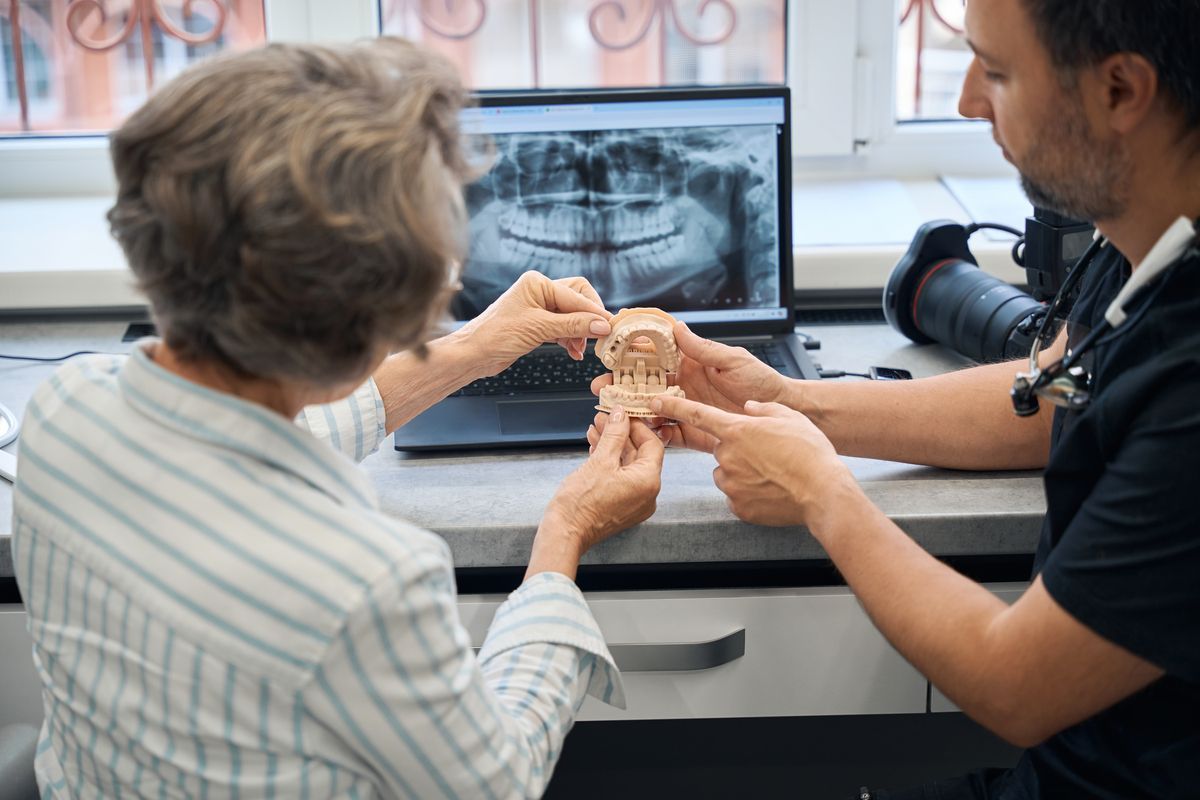
The first appointment focuses on evaluation and planning. Your dentist examines your teeth gums and bone structure using clinical evaluation and digital imaging. This step ensures that the supporting teeth are healthy enough to support a bridge.
During the preparation visit the teeth that will hold the crowns are gently shaped to allow room for the restoration. This process is completed with patient comfort as a priority. A temporary bridge is placed while the permanent one is being crafted.
Once the custom bridge is ready the final visit focuses on placement. The dentist checks fit appearance and bite alignment before permanently securing the bridge. Adjustments are made as needed to ensure comfort and proper function.
Benefits of Dental Bridges
Dental bridges offer several important benefits.
They restore the appearance of a complete smile and allow patients to chew comfortably again. Bridges support clear speech and help prevent neighboring teeth from shifting out of position. They also help maintain balanced bite alignment which protects the jaw joint from unnecessary strain.
With proper care dental bridges can last many years making them a dependable long term solution.
Caring for a Dental Bridge
Daily brushing and flossing are essential for maintaining a dental bridge. Special flossing tools may be recommended to clean beneath the pontic where plaque can accumulate. Routine dental visits allow your dentist to monitor the health of the bridge and the surrounding teeth and gums.
Maintaining healthy gums is especially important as inflammation can compromise the stability of a bridge over time.
Dental Bridges and Cosmetic Dentistry
Dental bridges are often part of a broader smile enhancement plan. As patients explore options with cosmetic dentists Corpus Christi many choose to combine restorative treatment with cosmetic enhancements to improve overall smile harmony.
Is a Dental Bridge Right for You
Dental bridges are an excellent option for many patients but they are not the only solution. During your consultation your dentist will discuss all available options and help you make an informed decision.
At Coastal Implant & Advanced Dentistry restoring a smile means restoring comfort confidence and long term oral health.
3060 S Alameda St, Corpus Christi, TX, 78404, United States